13Nov

How Rapid AI Testing Is Shaping the Future of Public Sector

Imagine it’s October 2025. A government analyst finds critical documents in minutes instead of days. A CDC worker traces a multi-state foodborne outbreak in hours, not weeks. Treasury’s AI-powered fraud detection recovers $4 billion in a single year. This is real—and it’s happening because the federal government isn’t just talking about AI anymore—they’re deploying it at scale and with purpose.

The speed of experimentation is staggering. In 2024, federal agencies reported over 1,700 AI use cases—more than double 2023—and half were built in-house. New York trained 1,000 state employees on AI fundamentals. Pennsylvania piloted ChatGPT Enterprise with 175 employees. The CDC’s generative AI saved workers 41,000 hours. And GSA made ChatGPT Enterprise, Google Gemini, and Claude available to agencies for $1 per year, plus launched USAi.gov, a secure AI sandbox where teams can test ideas without procurement delays.

But experimentation alone isn’t enough. Agencies struggle with messy data, outdated infrastructure, and governance gaps, and 70–85% of AI projects fail to meet expectations. That’s where we step in. We help agencies turn pilot experiments into production-ready systems—cleaning data, integrating AI into legacy systems, training staff, and building compliance frameworks that meet OMB standards. Federal AI spending is projected to exceed $3.3 billion in FY 2025, and the winners will be the contractors who deliver real outcomes, fast.

We make it happen. To explore how we can help your agency deploy AI responsibly, securely, and at mission speed, email us at sales@bidowali.com. Follow us for more insights and updates that keep you ahead in the rapidly evolving AI government landscape.


07Nov

Creative Writers > Content Writers — Hire Minds, Not Typists

Meridian was doing everything “right.” AI produced their blogs, social updates, and landing page copy. Grammar was flawless. SEO boxes were checked. Traffic looked fine. But people stopped sharing. Conversations faded. The brand felt polished — and forgettable.

Then they hired Maya.

She didn’t write more; she listened more. She asked for real stories from real people inside the company — and treated each one like a small experiment, not a marketing asset.

Soon, posts dropped in quantity but rose in quality. Shares went up. Comments returned. Meridian sounded human again.

Why? Because stories stick. Facts fade. Real, specific moments are what our brains remember.

Maya proved it twice:

At Meridian, a short customer email — thanking the support team for staying late to prevent a missed deadline — became a brief, heartfelt post. It outperformed dozens of how-to articles and drew in clients who valued reliability.

At Harbor Health, a recruiter shared a failed placement and what they learned from it. That honesty sparked genuine conversations among HR leaders and brought higher-quality leads.

The psychology is simple: people remember what feels real. A surprising detail or small truth makes a story memorable. When readers see their own experience reflected, they share.

AI is great at volume — it polishes and predicts. But that smoothness removes the tiny imperfections that make something human. The stories that work always have three things: specific detail, honesty, and a clear human outcome.

If you want content that connects, stop chasing more words. Start collecting moments. Ask your team, “Tell me about one time a small action changed an outcome.” That’s where the magic begins.

At Bidowali, that’s exactly what we do — uncovering the real stories inside your teams and customers, and shaping them into content people remember and share. Because connection beats perfection, every time.

Follow Bidowali for more stories and insights on content that feels real — and gets remembered.

25Jan

85% of your success in life is going to be determined by your communication skills

The Statement “85% of your success in life is going to be determined by your communication skills” emphasizes the critical role that effective communication plays in various aspects of life. While the specific percentage may be arbitrary, the underlying message underscores the significance of communication skills in personal and professional success. Here are several reasons why communication skills are considered crucial:

25Jan

Human Resource Management

Resource management plays an important role in defining working area of an individual. Try to hire people who are veteran in your process. It depends upon management to utilize their resource in right process. Right people in right place on right time. They can easily analyse your employee’s skills and utilize them in a perfect manner.

25Jan

How to identify fake Resume

Who are these people with fake resumes?

  1. OPT Students (Foreign Students who complete their Masters in United States and are eligible for full time work authorization because of Optional Practical Training)
  2. H1B Candidates (These folks are either OPTs who are recently converted to H1B in last 2 years or folks who traveled from offshore with a H1B with 2-3 years of experience or none. You never know.)
04Jul

Leadership Behaviors

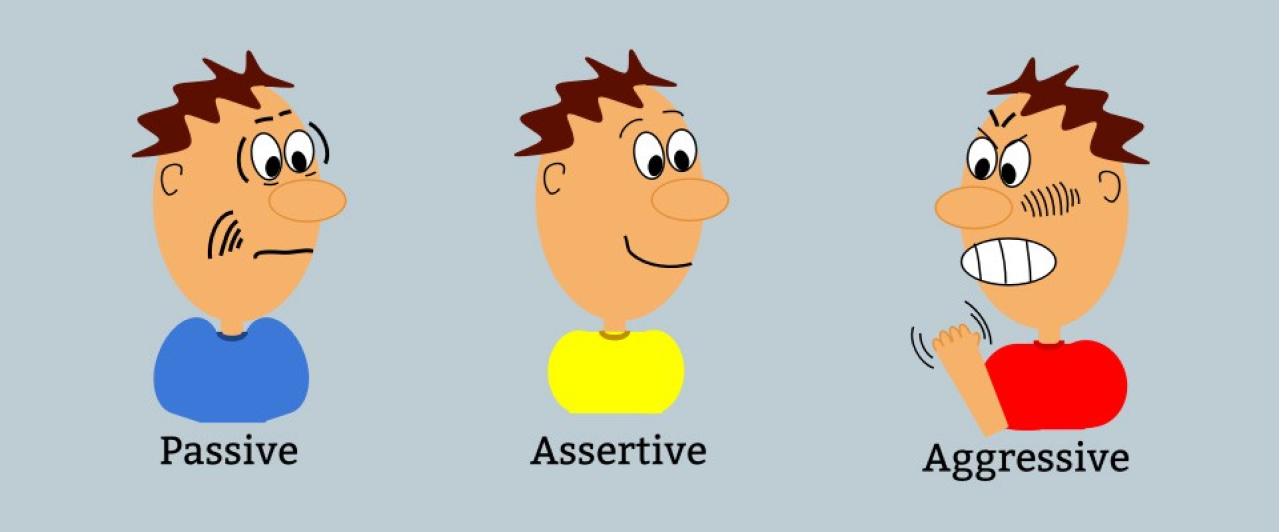
Behavior is the base of communication and how you deliver your message to your team. Behaviors, including passive, aggressive, and assertive, play a crucial role in determining effective leadership. These behavioral styles can significantly impact a leader’s ability to influence and lead a team or organization.